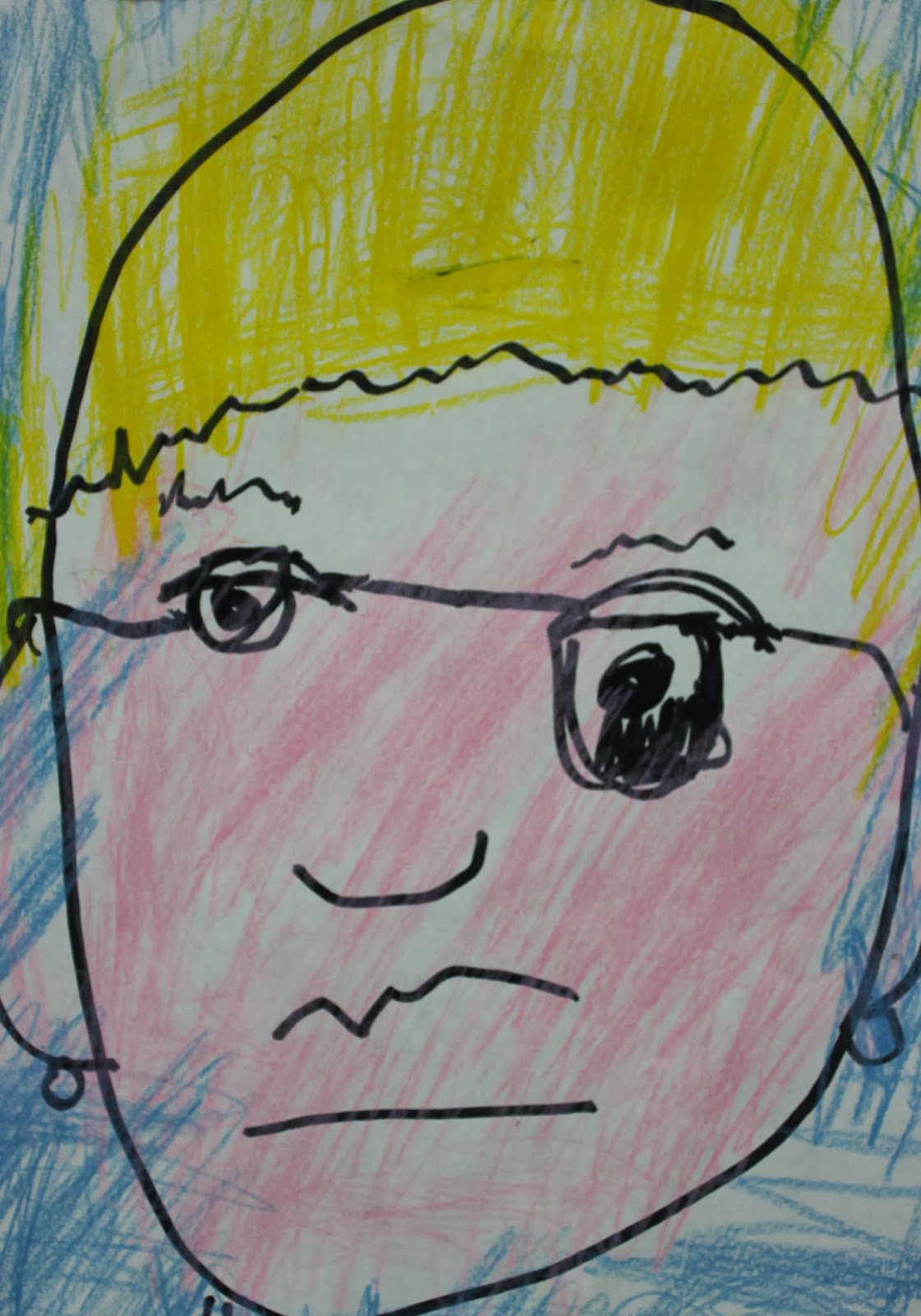
Writers and illustrators, neuroscientists and full-time moms need to give themselves permission and time for creative projects that have nothing to do with their career. Homemade Valentines or birthday cards may be just the little selfless act to get one's creative juices going for weightier projects. I've made Christmas cards every year for decades and have given myself a few rules to keep it fun:
1. Do it for love.
Sometimes life can feel like a series of obligations. This should not be one of those times. Do it for the love of the process and love of the people who will receive the cards.
2. Don't procrastinate.
December is usually crazy busy at my house. Even things that I enjoy doing normally feel stressful if there's too much else to do. I like to have my cards made before Thanksgiving.
3. Limit the number.
I don't have time to make a card for everyone I love. I usually send cards to old roommates and friends with whom I don't have regular contact, as well as siblings and parents. I never get angry when people don't send me cards or give me gifts, so I can only hope that others feel the same.
4. Try new things.
This is a time when I don't feel bound to my artistic style. I try new media and I try to keep the card text, news letters and envelops thematically and visually united.
Here is a card I made for my parents when I was 5.
As a college student, I kept the card tradition, sometimes xeroxing sharpie drawings, sometimes using printmaking methods. Below is my husband's wood cut of a toy soldier (he made the year before we met) and my screen print minimalist Christmas tree.
Here is a little pamphlet book I made with a newsletter in the middle and a picture of our first child.
Another pamphlet book card, included a Martha Stewart style quilled snowflake ornament. It is a little smashed after 12 years in our card scrapbook. Again, the newsletter was in the middle of the card.
When we first moved to Georgia, there was a pear tree in the back yard, so I did an wood engraving of a partridge in a pear tree that year.
And in 2004, I did our first Christmas video. This tiny disk fit perfectly into another ornament/card.
50 pen and ink, water color, glitter, and calligraphy cards was time consuming but rewarding.
My easiest card was made by hot gluing a couple buttons for a snow man.
Another year, I screen printed snowflakes but accidentally used screen filler instead of ink, which gave it a glossy surface with varied value. Gotta love happy accidents.


My then 3-year-old daughter's drawing (left) became our card one year. My Uncle Orval, who had done more than 50 consecutive years of Christmas card making himself, called this a "dill pickle Christmas tree." A sewing machine and fabric scraps made the above card possible.
In 2009 I made a gingerbread house and then took a picture of it. The acompanying family newsletter was a "recipe for a happy year" which served 5 and expired 2010.
I thought I'd use my Children's illustration style and do a little painting to show the joy of 2011.

Last year, each card was unique. You can see the collage process below."Wishing You The Best of Gifts This Christmas" include gift cards that said things like, "forgiveness" "Friendship" etc. Inside the newsletter listed some of our favorite gifts of the year (like education, work, and fun) and a short paragraph for each.